

The Newcomers: 4 Nations Making History at the 2026 World Cup
The 2026 World Cup is finally here, and while the expanded 48-team format has brought its share of controversy, it has also delivered something magical: a wave of fresh faces. For every football superpower like Argentina and Germany, there is a nation stepping onto the largest stage for the very first time.
This year, four specific nations have punched tickets to history. They come from the Caribbean, the African coast, and the heart of Asia. Each has a story of heartbreak, redemption, and a golden generation refusing to wait any longer.
Here are the debutants of the 2026 World Cup.
Curaçao: The Smallest Giant Killers
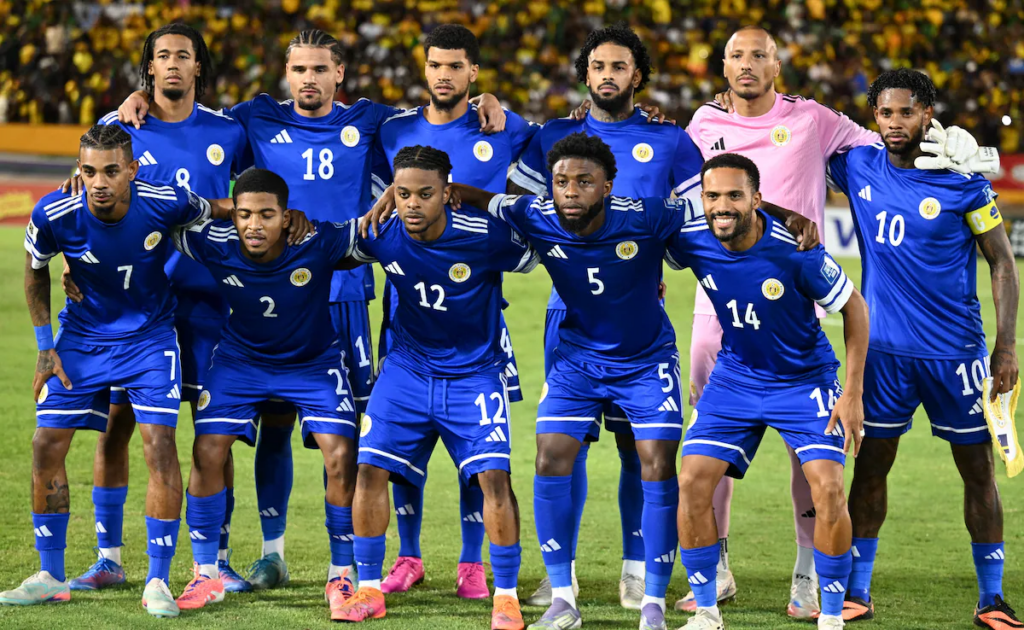
Population: ~150,000 | FIFA Rank: 82 | Group: E (vs. Germany, Ivory Coast, Ecuador)
The Brief History
For decades, Curaçao was just another name in the CONCACAF qualifying rounds, often overshadowed by the US, Mexico, and Costa Rica. Since becoming a recognized FIFA member within the Kingdom of the Netherlands, they have leaned heavily on Dutch-raised talent with Caribbean roots to raise their level.
The Near Miss
For 64 years, they failed to progress. They regularly appeared in the CONCACAF Gold Cup but could never bridge the gap to the World Cup, often stumbling in the final rounds of the Hexagonal.
How They Made It
The expansion of the World Cup to 48 teams opened up extra spots in North America. With the USA, Mexico, and Canada automatically qualifying as hosts, Curaçao seized the opportunity. They stayed undefeated in qualifying, sealing their historic spot with a tense 0-0 draw against Jamaica. Even at 78 years old, coach Dick Advocaat became the oldest manager in World Cup history to lead them there.
Cape Verde: The Blue Sharks’ Bite
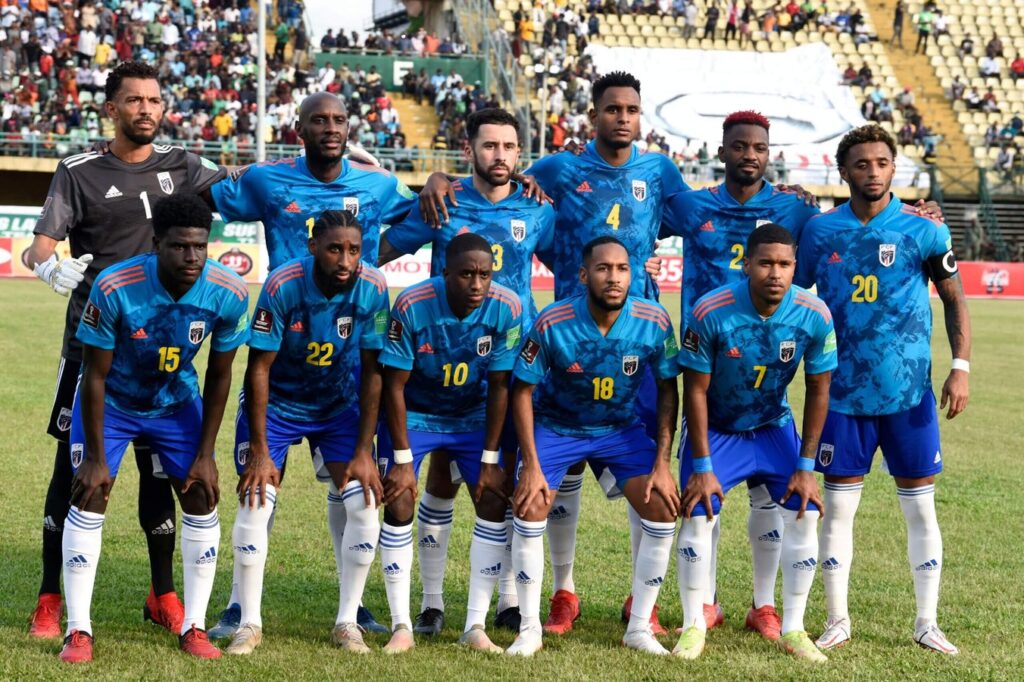
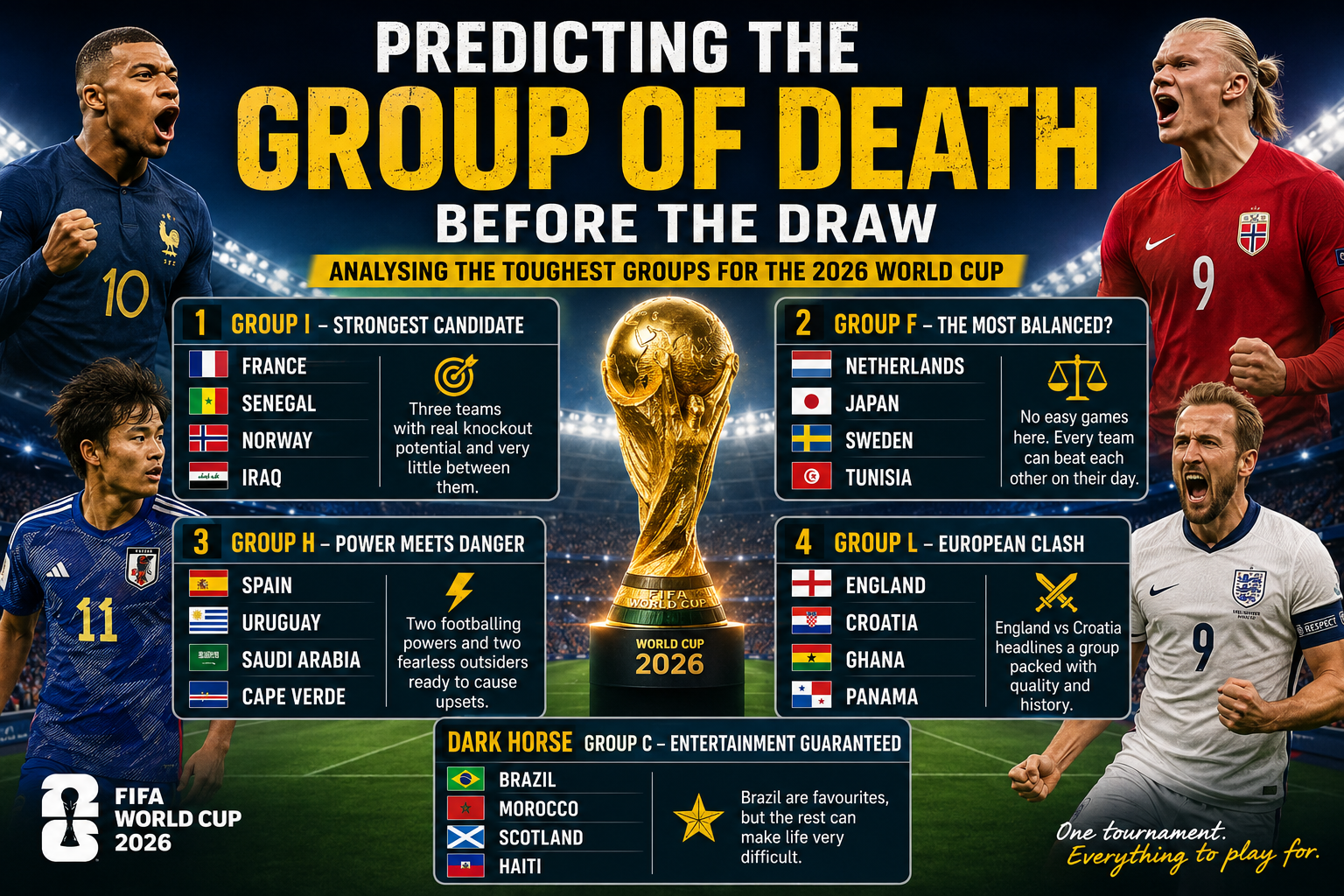
Population: 600,000 | FIFA Rank: 69 | Group: H (vs. Spain, Uruguay, Saudi Arabia)
The Brief History
An archipelago off the coast of West Africa, Cape Verde has been the “nearly team” of African football for two decades. They stunned the continent by reaching the Africa Cup of Nations (AFCON) quarter-finals in 2013 and have since become a regular at the continental showpiece.
The Near Miss
The pain started in 2006. In their first real attempt, they finished just behind Ghana in the qualifying group. If results had fallen slightly differently, their debut would have come two decades earlier.
How They Made It
The Blue Sharks were relentless in the CAF qualifiers. They topped a brutal group that included Cameroon (a World Cup regular). Their secret weapon was home dominance—they won all five home matches without conceding a single goal . This defensive solidity, paired with a diaspora squad featuring players from Portugal and the Netherlands, finally got them over the line.
Uzbekistan: The White Wolves Arrive
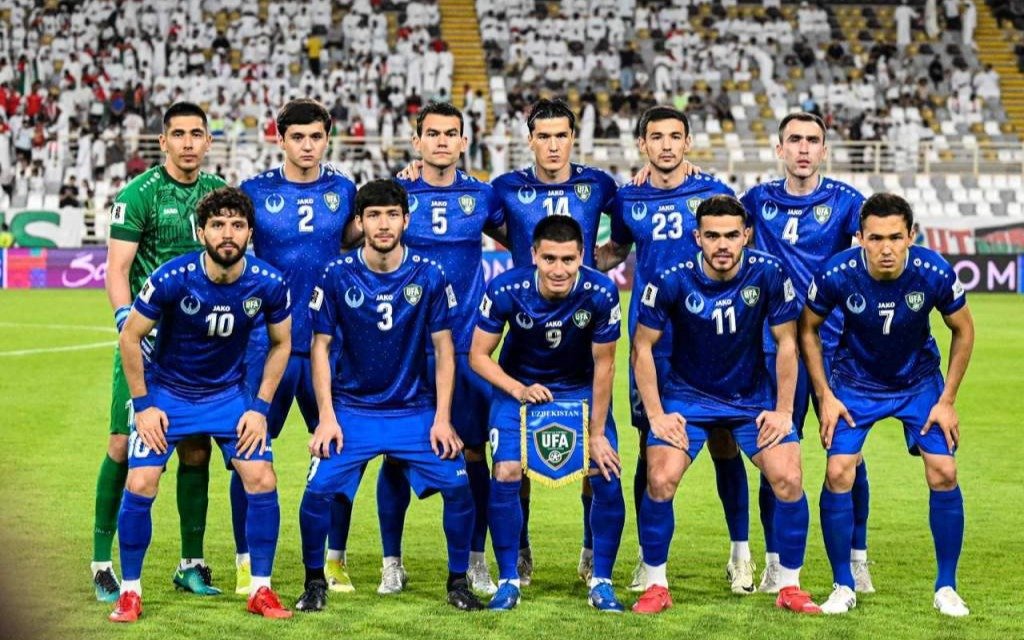
Population: 35 million | FIFA Rank: 50 | Group: K (vs. Portugal, Colombia, DR Congo)
The Brief History
Since breaking away from the Soviet Union in 1991, Uzbekistan has been a sleeping giant in Asian football. They have always had technically gifted players and a passionate fanbase, but they lacked the killer instinct to get to the big dance.
The Near Miss
Uzbekistan has a history of breaking hearts. In 2006, they lost a decisive playoff to Bahrain. In 2014, they collapsed against Jordan in the AFC playoff, losing on penalties to miss the intercontinental spot.
How They Made It
Led by Italian legendary defender Fabio Cannavaro as coach, they finally exorcised their demons. Finishing second in their group behind Iran, they showcased a newfound defensive discipline and mental strength, losing only once in the final round. With Manchester City defender Abdukodir Khusanov anchoring the backline, they finally have the resilience to match their skill.
Jordan: The Chosen Ones of Asia
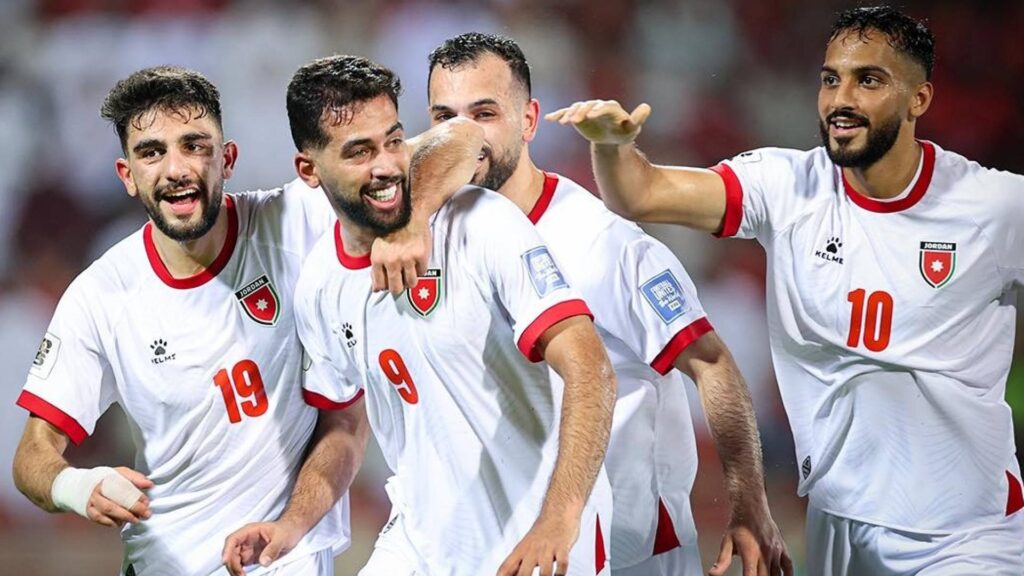
Population: 11 million | FIFA Rank: 63 | Group: J (vs. Argentina, Algeria, Austria)
The Brief History
Jordan has been trying to qualify since 1986. While not a traditional powerhouse, they have always been organized and difficult to break down—a classic “spoiler” team in Asian qualifying.
The Near Miss
The 2014 cycle was agony. Jordan fought all the way to the intercontinental playoff, only to draw Uruguay. The South American heavyweights demolished them 5-0 on aggregate, crushing their dreams.
How They Made It
This time, the draw was kinder, and the team was ready. Despite losing star forward Yazan Al Naimat to a cruel ACL injury just months before the tournament, the team cohesion remained. They finished second in their group behind South Korea, relying on a tight defensive unit to secure automatic qualification
The Bottom Line
History suggests that debutants rarely win the whole thing, but they often provide the best stories. With 32 of 48 teams advancing to the knockouts this year, don’t be surprised if one of these four newcomers sticks around a little longer than expected and writes a fairytale chapter this summer.


Leave a Reply